***We are interested in finding the right COUPLE who is looking for a longer-term opportunity. As newly empty nesters, we have available housing and are seeking individuals who genuinely desire an off-grid homesteading lifestyle. We envision this as an opportunity for the right couple to become part of an established farm, sharing in both the responsibilities and the rewards of caring for the land, livestock, and gardens. We are looking for people who value stewardship, integrity, self-motivation, and community, and who are interested in putting down roots for up to a year, rather than simply passing through. (We are accepting short term stays well.)
Our farm is located in the remote high desert of southeastern Arizona, nestled between the beautiful Chiricahua and Peloncillo Mountains. We are a husband-and-wife team and newly empty nesters who have been building our off-grid homestead for more than fourteen years. In addition to farming, we both work as wildland firefighters during fire season (June through September), so our farm is typically closed to WWOOFers during those months.
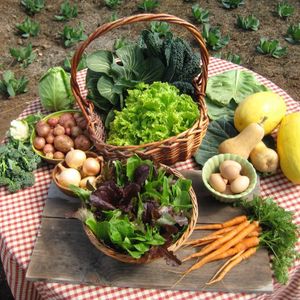
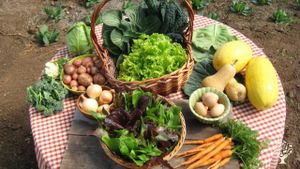
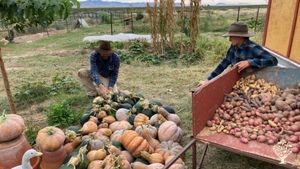
Our focus is preserving traditional agriculture through the cultivation of heirloom vegetables, historic Southwestern grains and melons, and a wide variety of alliums including garlic, shallots, onions, and leeks. Our gardens are gradually evolving into food forests while continuing to integrate annual crops. During the winter market season (November-March), we sell our produce at local farmers markets.
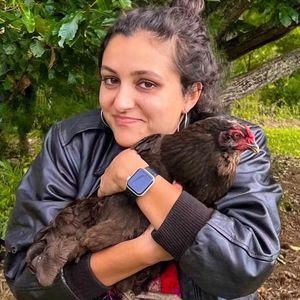
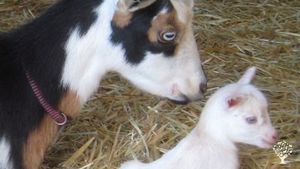
We also maintain a diverse livestock program that includes Nigerian Dwarf dairy goats, Churro sheep, Muscovy ducks, heritage chickens, and Spanish Barb horses. One of our most meaningful projects is helping preserve the critically endangered Wilbur-Cruce Ranch strain of Spanish Barb horses from Arivaca, Arizona. Guests with horse experience, particularly those familiar with natural horsemanship, are welcome to participate in our equine program.
Life on the farm revolves around producing as much of our own food as possible. We make artisan cheeses, kefir, cajeta (goat's milk caramel), kombucha, jams, sourdough breads, tortillas, and other traditional foods using ingredients raised or grown on the farm.
Our farm is completely off-grid, and our buildings are intentionally small by design embracing the tiny home concept. Accommodations include either a private casita with a full-size bed or a loft sleeping area in our shared community building. All guests have access to a community kitchen, shared full bathroom, and outdoor camping or RV spaces if preferred.
Because livestock care requires training and consistency, we ask WWOOFers to commit to a minimum stay of three weeks. We can host up to three WWOOFers at one time. In exchange for an immersive homesteading experience and hands-on education in traditional agriculture, we ask for five hours of work per day, five days each week, in addition to participating in shared community responsibilities such as meal preparation and cleanup.
Daily activities include feeding livestock, milking goats, bottle-feeding kids during kidding season, watering, pen cleaning, gardening, harvesting, and seasonal farm projects. During the fall and early spring, WWOOFers may also have the opportunity to learn humane meat processing with our ducks and sheep. Participation in meat harvesting is entirely optional.
We usually share one large meal together each day, although WWOOFers are always welcome to prepare their own meals in the community kitchen.
We enjoy hosting optimistic, hardworking people who are genuinely interested in learning traditional homesteading skills and contributing to a respectful, drama-free community. To maintain that environment, we do not permit smoking, vaping, marijuana or other drugs, foul language, or pets. Our homestead is a family-friendly place built on mutual respect, stewardship, and a love of learning.
Certifications: We use natural farming
Internet access available
Read more
Learning opportunities
Vegetable farming
Grain farming
Poultry farming
Sheep or goat farming
Dairy farming
Seed saving or production
Cheesemaking
Meat processing
Beer, cider, wine, or juice making
Renewable energy production
Methods or systems
No-till farming
Permaculture
Host type
Self-sufficiency property
Accommodation